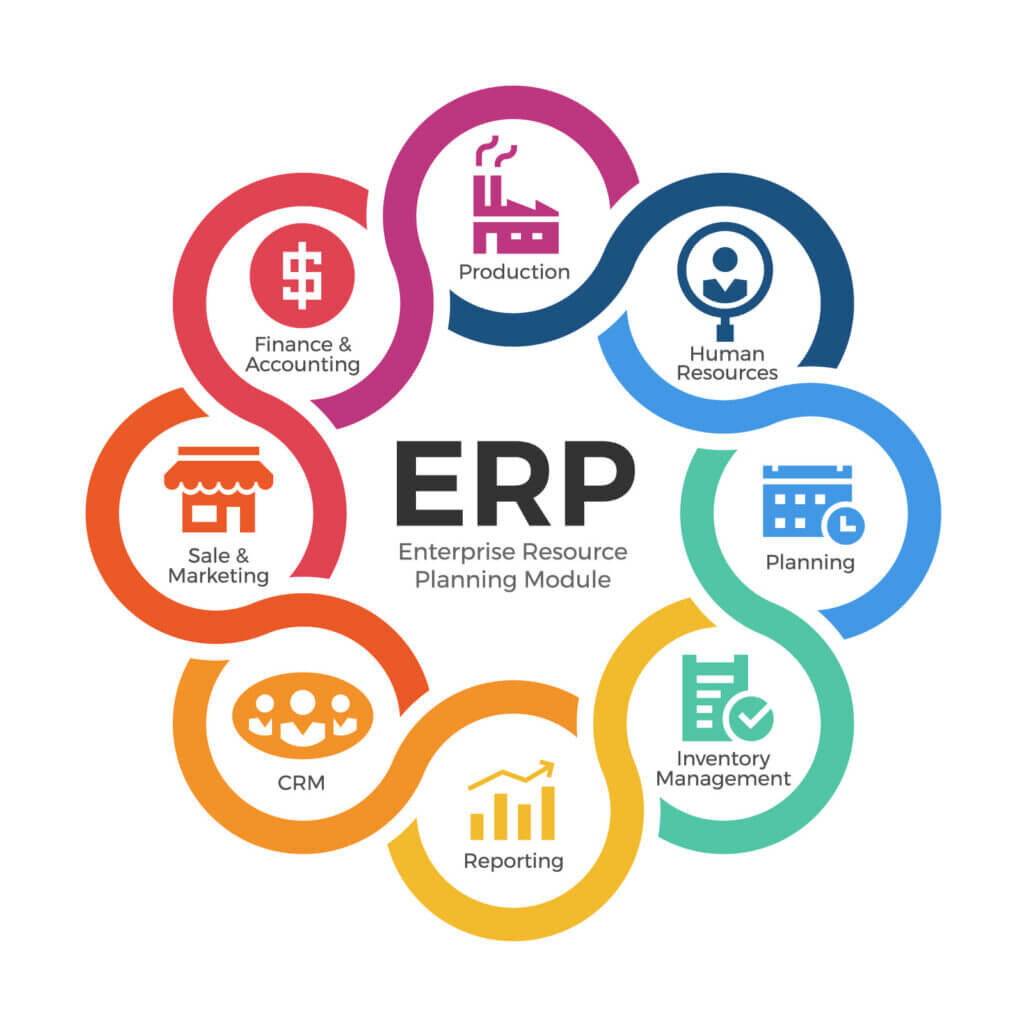
Hey there, wholesalers! Are you tired of dealing with the complexities of managing your distribution business? Look no further than ERP software to streamline your operations and increase efficiency. With ERP systems, you can easily track inventory, manage orders, and monitor sales all in one place. Say goodbye to manual processes and hello to a more organized and productive workflow. Take your wholesale distribution business to the next level with the help of ERP software.
Benefits of Implementing ERP for Wholesale Distributors
Implementing an ERP (Enterprise Resource Planning) system can provide numerous benefits for wholesale distributors. This software solution is designed to streamline business processes, optimize operations, and improve overall efficiency. By centralizing data and automating manual tasks, ERP software can help wholesalers stay competitive in today’s fast-paced market.
One of the main benefits of implementing an ERP system is improved inventory management. Wholesale distributors typically deal with a large volume of products, making it challenging to keep track of stock levels and movement. ERP software provides real-time visibility into inventory levels, helping businesses to optimize stock levels, reduce carrying costs, and prevent stockouts. With accurate inventory data, distributors can make informed decisions about purchasing, warehousing, and order fulfillment.
Another advantage of ERP for wholesale distributors is enhanced order processing. Manual order entry processes are time-consuming and prone to errors, leading to delays in order fulfillment and dissatisfied customers. ERP software automates order processing, streamlining the entire order-to-cash cycle. From order entry and invoicing to payment processing and shipment tracking, ERP systems help wholesalers fulfill orders quickly and accurately.
Furthermore, ERP software can improve forecasting and demand planning for wholesale distributors. By analyzing historical sales data and market trends, ERP systems can generate accurate demand forecasts, allowing distributors to anticipate customer needs and stock inventory accordingly. With better demand planning, wholesalers can reduce excess inventory, minimize stockouts, and improve customer satisfaction.
ERP systems also offer benefits in terms of financial management for wholesale distributors. With integrated accounting modules, ERP software provides real-time insights into financial performance, cash flow, and profitability. By automating financial processes such as invoicing, billing, and reconciliation, ERP systems help wholesalers improve accuracy, reduce errors, and streamline financial reporting.
Another key advantage of implementing ERP for wholesale distributors is improved customer relationship management (CRM). ERP systems typically include CRM capabilities to track customer interactions, manage sales pipelines, and provide personalized customer service. By centralizing customer data and communication channels, wholesalers can build stronger relationships with customers, increase repeat business, and drive revenue growth.
In conclusion, implementing an ERP system can bring significant benefits to wholesale distributors by improving inventory management, order processing, demand planning, financial management, and customer relationship management. With streamlined business processes, real-time data visibility, and automation capabilities, ERP software can help wholesalers stay competitive, minimize costs, and maximize profitability in today’s dynamic market.
Key Features to Look for in ERP Software for Wholesale Distributors
When searching for ERP software for wholesale distributors, it is crucial to consider key features that can streamline your operations and improve efficiency. Here are some important features to look for:
1. Inventory Management:
One of the most critical features of ERP software for wholesale distributors is robust inventory management. This feature allows you to track and manage all aspects of your inventory, including stock levels, product movements, and order fulfillment. Look for software that provides real-time visibility into your inventory, automated replenishment processes, and advanced forecasting capabilities to help you optimize stock levels and avoid stockouts.
2. Order Management:
Another key feature to look for in ERP software for wholesale distributors is comprehensive order management functionality. This feature should support the entire order lifecycle, from order creation to fulfillment and invoicing. Look for software that offers features such as order processing automation, order tracking, and integration with shipping carriers to streamline your order fulfillment process. Additionally, the software should allow you to easily manage backorders, returns, and cancellations to ensure customer satisfaction.
3. Customer Relationship Management (CRM):
CRM functionality is essential for wholesale distributors to build and maintain strong relationships with their customers. Look for ERP software that includes CRM features such as customer segmentation, sales tracking, and customer communication tools. This will allow you to better understand your customers’ needs, track sales performance, and personalize your communication to drive repeat business and customer loyalty.
4. Financial Management:
Effective financial management is crucial for the success of a wholesale distribution business. Look for ERP software that offers comprehensive financial management features such as general ledger, accounts payable/receivable, and financial reporting. The software should provide real-time financial insights, automate financial processes, and support multi-currency transactions to help you manage your finances efficiently and make informed business decisions.
5. Reporting and Analytics:
Reporting and analytics are essential for wholesale distributors to monitor performance, identify trends, and make data-driven decisions. Look for ERP software that offers customizable reporting tools, dashboards, and advanced analytics capabilities. This will allow you to track key performance indicators, analyze sales data, and gain insights into your business operations to optimize processes and drive growth.
In conclusion, when selecting ERP software for wholesale distributors, it is important to prioritize key features such as inventory management, order management, CRM, financial management, and reporting and analytics. These features can help you streamline your operations, improve efficiency, and drive profitability in your wholesale distribution business.
How ERP Software Can Improve Inventory Management for Wholesale Distributors
Inventory management is a critical aspect of running a successful wholesale distribution business. It is essential to have an accurate view of your inventory levels to meet customer demand while minimizing excess stock and avoiding stockouts. Implementing an ERP software system can significantly improve inventory management for wholesale distributors in several ways.
Firstly, ERP software provides real-time visibility into your inventory levels. This means that you can track the movement of your products from the moment they arrive in your warehouse to the moment they are shipped out to customers. With this real-time data, you can make informed decisions about purchasing, production, and sales, ensuring that you always have the right amount of stock on hand to meet customer demand.
Secondly, ERP software can help streamline your order fulfillment process. By integrating your inventory data with your sales orders, ERP software can automatically generate purchase orders when stock levels are low or create backorders when a product is out of stock. This automation not only saves time but also reduces the risk of human error, ensuring that orders are processed accurately and efficiently.
Finally, ERP software can help you optimize your inventory levels. By analyzing historical sales data and forecasting future demand, ERP software can recommend optimal inventory levels for each product in your catalog. This can help you reduce carrying costs by minimizing excess stock, while also preventing stockouts and lost sales by ensuring that you always have enough stock on hand to meet customer demand.
In conclusion, implementing ERP software can significantly improve inventory management for wholesale distributors by providing real-time visibility into inventory levels, streamlining the order fulfillment process, and helping optimize inventory levels. By leveraging the power of ERP software, wholesale distributors can better meet customer demand, reduce carrying costs, and improve overall business efficiency.
Streamlining Sales and Distribution Processes with ERP Software
ERP software stands for Enterprise Resource Planning software that integrates various internal and external business operations, including sales and distribution processes, into one comprehensive system. For wholesale distributors, implementing ERP software can significantly streamline their sales and distribution processes, leading to improved efficiency, productivity, and profitability.
One of the key benefits of using ERP software in wholesale distribution is the automation of various tasks, such as order processing, inventory management, and customer relationship management. With ERP software, sales representatives can easily access real-time information about products, pricing, and customer data, enabling them to provide accurate and timely quotations to customers. This automation not only saves time but also reduces the risk of errors that can occur with manual data entry.
Furthermore, ERP software helps wholesale distributors to optimize their inventory levels by providing real-time visibility into stock levels, demand forecasts, and supplier lead times. By accurately forecasting demand and ensuring optimal stock levels, wholesale distributors can reduce excess inventory costs and minimize stockouts, leading to improved customer satisfaction and increased sales.
In addition to improving order processing and inventory management, ERP software also enhances sales and distribution processes by offering advanced reporting and analytics capabilities. Wholesale distributors can generate detailed reports on sales performance, customer trends, and product profitability, allowing them to make data-driven decisions and identify opportunities for growth. With ERP software, sales teams can easily track their sales progress, set performance targets, and monitor their performance against key metrics.
Moreover, ERP software enables wholesale distributors to streamline their supply chain management processes by integrating with suppliers and logistics partners. This integration allows distributors to easily collaborate with suppliers, track shipments, and manage inventory across multiple locations. By streamlining supply chain management processes, wholesale distributors can reduce lead times, minimize transportation costs, and improve overall operational efficiency.
Overall, ERP software plays a crucial role in streamlining sales and distribution processes for wholesale distributors. By automating tasks, optimizing inventory levels, providing advanced reporting and analytics, and streamlining supply chain management, ERP software helps wholesale distributors to improve efficiency, increase productivity, and drive profitability. With ERP software, wholesale distributors can stay competitive in today’s fast-paced business environment and meet the evolving needs of their customers.
Challenges and Solutions for ERP Implementation in Wholesale Distribution Industry
Implementing an ERP system in the wholesale distribution industry can be both exciting and challenging. As technology continues to evolve, companies must adapt and invest in software solutions that can streamline processes, improve efficiency, and ultimately drive profitability. However, the road to successful ERP implementation is often laden with obstacles that can hinder progress and increase costs. In this article, we will explore some of the common challenges faced by wholesale distributors when implementing an ERP system, as well as potential solutions to overcome these challenges.
1. Resistance to Change: One of the biggest hurdles in ERP implementation is resistance to change. Employees may be comfortable with the existing systems and processes, and may be hesitant to adopt new technology. To address this challenge, companies can invest in comprehensive training programs, provide clear communication about the benefits of the new ERP system, and involve employees in the decision-making process to increase buy-in.
2. Data Migration: Wholesale distributors deal with large volumes of data on a daily basis, including customer information, inventory levels, and sales orders. Migrating this data to a new ERP system can be a complex and time-consuming process. To mitigate the risk of data loss or corruption, companies can conduct thorough data cleansing and validation before migration, invest in data migration tools, and engage with experts who specialize in ERP implementation.
3. Integration with Existing Systems: Wholesale distributors often use multiple software systems to manage various aspects of their business, such as inventory management, order processing, and accounting. Integrating these disparate systems with a new ERP solution can be challenging, as it requires seamless data flow and real-time synchronization. Companies can address this challenge by selecting an ERP system that offers robust integration capabilities, conducting thorough system mapping to identify potential integration points, and investing in middleware solutions to facilitate data exchange.
4. Customization: Every wholesale distribution business is unique, with its own set of processes, workflows, and business rules. Off-the-shelf ERP systems may not fully meet the specific requirements of a company, leading to the need for customization. To address this challenge, companies can work closely with ERP vendors to tailor the system to their specific needs, conduct thorough business process analysis to identify areas for customization, and prioritize customization efforts based on business impact and resource availability.
5. Budget Constraints: Implementing an ERP system can be a significant investment for wholesale distributors, especially for small to medium-sized businesses with limited financial resources. Budget constraints can affect the scope of the implementation project, leading to compromises in system functionality or quality. To overcome this challenge, companies can explore flexible pricing options offered by ERP vendors, such as subscription-based licensing or pay-as-you-go models. Companies can also prioritize critical system functionalities that deliver the most value and ROI, and gradually expand the system capabilities over time as budget allows.
By addressing these common challenges and implementing effective solutions, wholesale distributors can successfully navigate the ERP implementation process and realize the full potential of their new software system. With a strategic approach and a focus on continuous improvement, companies can streamline operations, enhance decision-making capabilities, and drive growth in an increasingly competitive market.
Originally posted 2025-12-04 02:18:19.