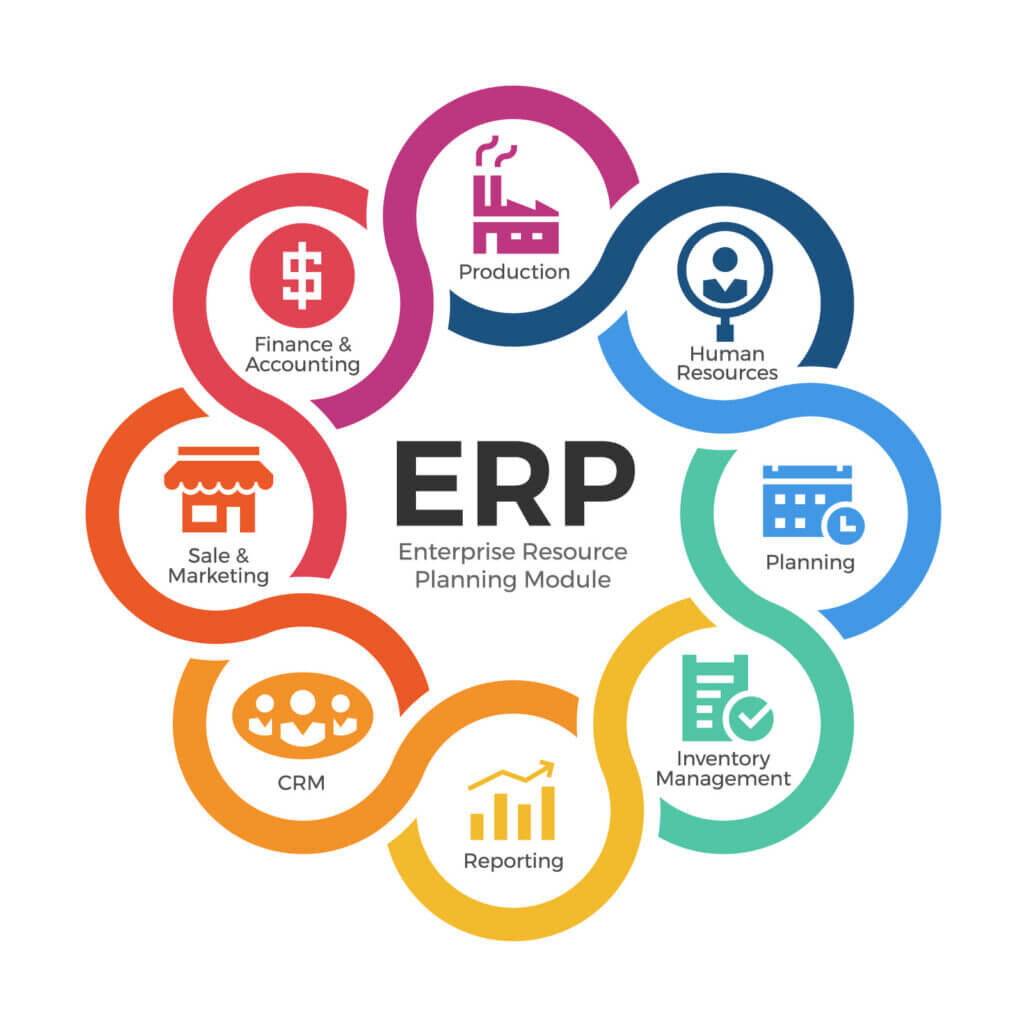
Welcome, manufacturers! Are you tired of dealing with inefficient processes and endless paperwork in your fabrication business? Look no further than Fabrication ERP Software to streamline your operations and boost efficiency. This innovative technology is designed to help you manage your manufacturing process from start to finish, allowing you to stay organized, reduce errors, and increase productivity. With Fabrication ERP Software, you can take your business to the next level and achieve greater success in the competitive manufacturing industry.
Features of Fabrication ERP Software
Fabrication ERP software is designed to assist in the management of all aspects of the manufacturing process, from initial planning to final production. This software is specifically tailored to meet the unique needs of fabrication businesses, providing a range of features that can streamline operations and improve efficiency. Here are some key features of fabrication ERP software:
1. Job Costing: One of the most important features of fabrication ERP software is its job costing capabilities. This functionality allows businesses to track and analyze the costs associated with each job or project, including materials, labor, overhead, and other expenses. By accurately calculating the total cost of each job, businesses can ensure they are pricing their products competitively while still maintaining profitability. Job costing also helps identify areas where costs can be reduced and efficiencies can be improved, leading to increased profitability and customer satisfaction.
Additionally, job costing can help businesses avoid overruns and budget deviations by providing real-time visibility into costs as the project progresses. This allows for better decision-making and adjustments to be made before it is too late. With job costing in place, fabrication businesses can accurately track their financial performance on a project-by-project basis, leading to improved overall financial health.
Furthermore, job costing in fabrication ERP software can provide insights into the overall profitability of the business and help identify which jobs are the most profitable. By analyzing this data, businesses can make informed decisions about which projects to pursue and which to avoid, ultimately leading to increased profitability and business growth.
In conclusion, job costing is a crucial feature of fabrication ERP software that provides businesses with the tools they need to accurately track costs, improve efficiencies, and make informed decisions about their projects. By utilizing this functionality, fabrication businesses can increase profitability, reduce waste, and ultimately achieve greater success in today’s competitive manufacturing landscape.
Benefits of Implementing Fabrication ERP Software
Fabrication ERP software offers numerous benefits to businesses in the manufacturing industry. From streamlining processes to improving communication and increasing efficiency, here are some of the key advantages of implementing Fabrication ERP software:
1. Streamlined Processes: One of the main benefits of Fabrication ERP software is that it helps to streamline the entire manufacturing process. By integrating all aspects of production – from inventory management to scheduling to quality control – into a single system, organizations can significantly reduce the time and effort required to complete tasks. This leads to increased productivity and higher levels of efficiency across the board.
2. Improved Communication: Another major advantage of Fabrication ERP software is that it facilitates better communication within the organization. With all departments working within the same system, there is a higher level of transparency and visibility into each stage of the manufacturing process. This improved communication allows for quicker decision-making, fewer errors, and a better overall understanding of the business’s operations.
Additionally, Fabrication ERP software often includes features such as real-time data sharing and collaboration tools, which further enhance communication and collaboration among team members. This leads to a more cohesive and unified approach to manufacturing, ultimately resulting in higher-quality products and greater customer satisfaction.
3. Cost Savings: Implementing Fabrication ERP software can lead to significant cost savings for businesses in the manufacturing industry. By automating manual processes, organizations can reduce the need for additional labor and minimize the risk of errors or rework. Additionally, by providing more accurate data and insights into the business’s operations, Fabrication ERP software helps to identify areas of inefficiency and waste, allowing for strategic cost-cutting measures to be implemented.
4. Increased Efficiency: With Fabrication ERP software, organizations can achieve higher levels of efficiency in their manufacturing processes. By automating repetitive tasks and providing real-time data and insights, businesses can streamline their operations and make more informed decisions. This leads to faster production cycles, shorter lead times, and ultimately, improved customer satisfaction.
5. Scalability: Fabrication ERP software is designed to grow with your business. Whether you’re a small start-up or a large enterprise, these systems are scalable and flexible enough to adapt to your changing needs. This scalability allows for seamless expansion and customization as your business evolves, ensuring that your ERP software remains a valuable asset for years to come.
In conclusion, Fabrication ERP software offers numerous benefits to businesses in the manufacturing industry. From streamlining processes and improving communication to reducing costs and increasing efficiency, the advantages of implementing Fabrication ERP software are clear. By investing in a quality ERP system, organizations can position themselves for long-term success and growth in the competitive manufacturing landscape.
Key Considerations When Choosing a Fabrication ERP Software
When choosing a fabrication ERP software, there are several key considerations that should be taken into account to ensure that the software meets the specific needs of your business. Here are some important factors to consider:
1. Industry-specific Features: One of the most important considerations when choosing a fabrication ERP software is whether it offers industry-specific features that are tailored to the needs of your business. Different types of fabrication businesses have unique requirements, so it is essential to choose a software solution that is designed to meet those specific needs. Look for features such as inventory management, production scheduling, and job costing that are specifically designed for the fabrication industry.
2. Scalability: Another important factor to consider when choosing a fabrication ERP software is scalability. As your business grows, your software needs may change, so it is important to choose a solution that can grow with your business. Look for a software solution that is flexible and can be easily scaled up to accommodate future growth without requiring a complete system overhaul.
3. Integration Capabilities: When choosing a fabrication ERP software, it is important to consider its integration capabilities. A good ERP software should be able to seamlessly integrate with other systems and software that your business uses, such as accounting software, CRM systems, or CAD programs. Integration capabilities are essential for streamlining business processes and ensuring that data is easily shared between different departments. This can help improve efficiency, reduce errors, and provide a more holistic view of your business operations.
When evaluating ERP software options, consider how easily the software can be integrated into your current IT infrastructure and whether it offers APIs or other tools for connecting with other systems. Additionally, consider how well the software can handle data import/export processes and whether it supports data synchronization in real-time or through batch processes.
4. Customization Options: Every fabrication business is unique, so it is important to choose a software solution that can be tailored to meet your specific requirements. Look for a fabrication ERP software that offers customization options, such as the ability to configure workflows, create custom reports, or add new modules as needed. This can help you adapt the software to fit your business processes and ensure that it meets your specific needs.
5. User-Friendly Interface: Lastly, consider the user-friendliness of the fabrication ERP software. A user-friendly interface can help increase adoption rates among employees and improve overall productivity. Look for software that is easy to navigate, intuitive to use, and offers training and support resources to help users get up to speed quickly. Additionally, consider whether the software offers mobile access or other features that can enhance usability for employees working remotely or in the field.
By carefully considering these key factors when choosing a fabrication ERP software, you can ensure that you select a solution that will help streamline your business processes, improve efficiency, and drive growth for your fabrication business.
Integration of Fabrication ERP Software with Existing Systems
When implementing a new fabrication ERP software system, one of the key considerations is how it will integrate with existing systems within the organization. This integration process involves connecting the new software with other systems and software applications that are already in use, such as accounting software, inventory management systems, and customer relationship management (CRM) systems.
One of the main goals of integrating fabrication ERP software with existing systems is to streamline processes and ensure that data flows seamlessly between different systems. This can help improve efficiency, reduce manual data entry errors, and provide a more complete view of the business operations.
There are several ways in which fabrication ERP software can be integrated with existing systems. One common method is through the use of application programming interfaces (APIs), which allow different software applications to communicate with each other. By developing APIs that are compatible with existing systems, organizations can ensure that data can be easily shared and updated across different platforms.
Another approach to integration is through the use of middleware, which acts as a bridge between different systems and facilitates data transfer. Middleware can help translate data between different formats, synchronize information between systems, and automate processes such as data validation and transformation.
Organizations may also choose to integrate fabrication ERP software with existing systems through custom-built connectors or plugins. These connectors are specifically designed to link different software applications and ensure that data can be exchanged seamlessly. By developing custom connectors, organizations can tailor the integration process to meet their specific needs and requirements.
It is important for organizations to carefully plan and strategize the integration of fabrication ERP software with existing systems. This process should involve assessing the compatibility of different systems, identifying key data points that need to be shared, and determining the best integration methods to use. Organizations may also need to consider factors such as data security, scalability, and the potential impact on business operations.
Overall, successful integration of fabrication ERP software with existing systems can bring numerous benefits to organizations, including improved efficiency, better data visibility, and enhanced decision-making capabilities. By carefully planning and executing the integration process, organizations can ensure that their new fabrication ERP software works seamlessly with their existing systems and helps drive business growth and success.
Case Studies: Success Stories of Fabrication Companies Using ERP Software
ERP software has revolutionized the operations of fabrication companies by streamlining processes, increasing efficiency, and enhancing overall performance. Here are five success stories of fabrication companies that have benefited from implementing ERP software:
1. ABC Manufacturing Company: ABC Manufacturing Company, a leading fabrication company, implemented ERP software to manage their inventory and production processes. With the help of the software, they were able to track raw materials, monitor work-in-progress, and improve scheduling. As a result, they reduced their production lead times by 30% and saw a significant increase in customer satisfaction.
2. XYZ Metalworks: XYZ Metalworks, a family-owned fabrication company, adopted ERP software to automate their financial and accounting tasks. The software helped them track expenses, manage payroll, and generate accurate financial reports. By having real-time access to their financial data, XYZ Metalworks was able to make informed business decisions and improve profitability.
3. DEF Fabrication Inc.: DEF Fabrication Inc. integrated ERP software into their supply chain management processes to optimize their procurement and inventory management. The software enabled them to track supplier performance, forecast demand, and minimize inventory costs. With improved visibility into their supply chain, DEF Fabrication Inc. was able to reduce stockouts, improve on-time deliveries, and enhance customer satisfaction.
4. LMN Industries: LMN Industries, a large-scale fabrication company, implemented ERP software to enhance their project management capabilities. The software allowed them to create project timelines, allocate resources efficiently, and monitor project progress in real-time. By using the software to streamline their project workflows, LMN Industries completed projects ahead of schedule and under budget, resulting in increased profits and customer loyalty.
5. PQR Engineering Solutions: PQR Engineering Solutions, a specialized fabrication company, invested in ERP software to manage their quality control processes. The software helped them track quality metrics, identify defects, and implement corrective actions. By reducing defects and improving product quality, PQR Engineering Solutions saw a significant decrease in rework costs and an increase in customer satisfaction levels.
These case studies demonstrate the diverse ways in which fabrication companies have leveraged ERP software to optimize their operations, improve efficiencies, and achieve success in today’s competitive market. By embracing technology and embracing change, these companies have set themselves apart as industry leaders in the fabrication sector.