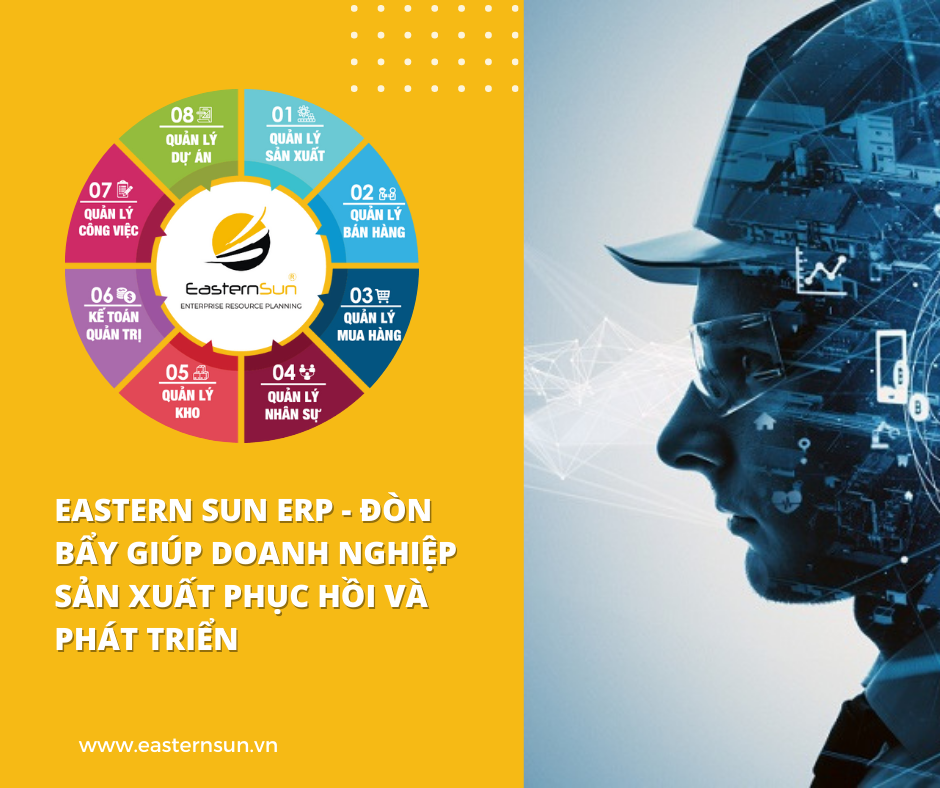
Welcome, wholesale distributors! Are you looking to streamline your business operations and maximize efficiency? Look no further than ERP solutions. Enterprise Resource Planning (ERP) systems have revolutionized the way wholesale distributors manage their inventory, sales, and finances. By integrating various functions into one comprehensive platform, ERP solutions can help you stay organized, reduce costs, and improve productivity. Read on to discover how ERP solutions can benefit your wholesale distribution business.
Streamlining Inventory Management
Inventory management is a critical aspect of running a wholesale distribution business. It involves ensuring that you have the right amount of stock on hand to meet customer demands while minimizing excess inventory that can tie up cash flow. Implementing an ERP system tailored to wholesale distributors can help streamline this process by providing real-time visibility into inventory levels, sales trends, and supplier performance.
One key feature of an ERP system for wholesale distributors is automated inventory tracking. This allows you to track the movement of goods from receiving to shipping and everything in between. By scanning barcodes or using RFID technology, you can easily update inventory levels in real-time and reduce the risk of stockouts or overstock situations. With automated tracking, you can also gain insights into which products are selling well and which ones are sitting on the shelves, allowing you to make data-driven decisions about inventory levels and promotions.
Another benefit of an ERP system for inventory management is demand forecasting. By analyzing historical sales data and trends, the system can predict future demand for your products and help you optimize stocking levels accordingly. This can prevent stockouts during peak seasons and reduce excess inventory during slow periods, ultimately improving customer satisfaction and profitability.
Furthermore, an ERP system can help streamline the purchasing process by integrating supplier information and lead times into the system. This allows you to automatically generate purchase orders based on reorder points or sales forecasts, reducing the manual effort required to track and place orders. By streamlining the purchasing process, you can ensure that you always have the right amount of stock on hand without overordering or underordering.
Additionally, an ERP system can provide valuable insights into supplier performance through analytics and reporting tools. By tracking metrics such as on-time delivery rates, lead times, and quality of goods received, you can identify top-performing suppliers and negotiate better terms for your business. This visibility into supplier performance can help you build stronger relationships with key vendors and ensure a reliable supply chain for your wholesale distribution business.
In conclusion, implementing an ERP system tailored to wholesale distributors can greatly improve inventory management by providing real-time visibility into inventory levels, sales trends, and supplier performance. With features such as automated inventory tracking, demand forecasting, streamlined purchasing processes, and supplier performance analytics, an ERP system can help you optimize inventory levels, reduce stockouts, and improve overall efficiency in your wholesale distribution business.
Enhancing Order Fulfillment Processes
Order fulfillment is a critical aspect of wholesale distribution, as it directly impacts customer satisfaction and overall business success. By implementing an ERP system specifically designed for wholesale distributors, businesses can greatly enhance their order fulfillment processes.
One key way in which an ERP system can improve order fulfillment is by streamlining the entire process. With an ERP solution in place, all aspects of order fulfillment, from receiving orders to invoicing customers, can be seamlessly integrated into one system. This eliminates the need for manual data entry and reduces the risk of errors, ensuring that orders are processed accurately and efficiently.
Additionally, an ERP system can provide real-time visibility into inventory levels, allowing distributors to better manage stock levels and prevent stockouts. By accurately tracking inventory levels and sales trends, distributors can proactively replenish stock and fulfill orders in a timely manner, reducing the risk of backorders and improving customer satisfaction.
Another way in which an ERP system can enhance order fulfillment processes is by automating various tasks. For example, an ERP system can automatically generate pick lists and packing slips, reducing the time and effort required to fulfill orders. Automation can also help distributors optimize shipping processes, select the most cost-effective shipping methods, and generate accurate shipping labels, further streamlining the order fulfillment process.
Furthermore, an ERP system can improve order accuracy by ensuring that the right products are picked, packed, and shipped to the right customers. By using barcode scanning technology and automated workflows, distributors can reduce the risk of picking errors and shipment inaccuracies, ultimately enhancing customer satisfaction and reducing returns.
Additionally, an ERP system can provide valuable insights into order fulfillment processes through data analytics and reporting capabilities. Distributors can analyze key performance indicators such as order cycle times, order accuracy rates, and on-time delivery metrics to identify areas for improvement and make data-driven decisions to optimize order fulfillment processes.
Overall, an ERP system tailored for wholesale distributors can transform order fulfillment processes by streamlining operations, improving inventory management, automating tasks, ensuring order accuracy, and providing valuable insights through data analytics. By enhancing order fulfillment processes with an ERP system, wholesale distributors can improve customer satisfaction, increase operational efficiency, and drive business growth.
Improving Supplier Relationship Management
Supplier relationship management is a critical aspect of running a successful wholesale distribution business. By establishing strong and positive relationships with your suppliers, you can ensure timely deliveries, competitive pricing, and high-quality products. Here are some strategies to improve your supplier relationship management with the help of an ERP system:
1. Streamlining Communication: Communication is key to maintaining a strong relationship with your suppliers. An ERP system allows you to streamline communication by providing a centralized platform for all interactions. You can easily exchange messages, share documents, and track orders in real-time. This not only improves efficiency but also ensures that all parties are on the same page.
2. Improving Transparency: Transparency is essential in any business relationship, and it is especially important when dealing with suppliers. An ERP system allows you to have visibility into your supply chain processes, from order placement to delivery. This transparency helps build trust with your suppliers and allows for better collaboration.
3. Negotiating Better Terms: One of the benefits of an ERP system is the ability to analyze data and identify cost-saving opportunities. By leveraging the data provided by your ERP system, you can negotiate better terms with your suppliers. Whether it’s securing lower pricing, extending payment terms, or improving delivery schedules, having solid data to back up your negotiations can help you achieve more favorable terms.
4. Tracking Performance: It’s important to track the performance of your suppliers to ensure they are meeting your expectations. An ERP system can help you monitor key performance indicators such as on-time delivery rates, product quality, and customer satisfaction levels. By tracking supplier performance, you can identify areas for improvement and address issues proactively.
5. Building Strategic Partnerships: Establishing long-term partnerships with your suppliers can lead to mutual benefits for both parties. With an ERP system, you can work collaboratively with your suppliers to drive innovation, improve processes, and enhance product offerings. By aligning your goals and objectives, you can create a win-win situation that strengthens your relationship and drives business growth.
By implementing these strategies with the help of an ERP system, wholesale distributors can enhance their supplier relationship management practices and ultimately improve their overall business performance.
Optimizing Pricing and Margin Control
When it comes to running a wholesale distribution business, pricing strategies and margin control are essential components to consider for long-term success. Implementing an ERP system can greatly help in optimizing pricing and ensuring healthy margins for your business.
One of the key features of an ERP system for wholesale distributors is the ability to analyze pricing trends and competitive pricing in the market. By utilizing real-time data and analytics, you can gain valuable insights into the pricing strategies of your competitors and adjust your prices accordingly to stay competitive. This can help you maximize profitability and ensure that you are not pricing yourself out of the market.
In addition to monitoring external pricing factors, an ERP system can also help you optimize pricing based on internal factors such as costs, inventory levels, and sales data. By tracking these metrics in real-time, you can identify opportunities to increase margins by adjusting pricing for different products or customer segments. This level of granularity in pricing control can help you maximize profitability and drive growth for your business.
Furthermore, an ERP system can help you streamline pricing processes and remove manual errors that can impact margins. By automating pricing calculations and approvals, you can ensure consistency and accuracy in your pricing strategies. This can help you avoid costly mistakes and ensure that you are maximizing profitability on every sale.
Another important aspect of optimizing pricing and margin control with an ERP system is the ability to set dynamic pricing rules based on various factors such as demand, seasonality, and customer segment. By setting up rules that automatically adjust pricing based on these variables, you can ensure that you are capturing maximum value from each transaction. This level of flexibility in pricing strategies can help you stay ahead of competitors and adapt quickly to changing market conditions.
In conclusion, implementing an ERP system for wholesale distribution can greatly benefit your business by optimizing pricing strategies and ensuring healthy margins. By leveraging real-time data and analytics, automating pricing processes, and setting dynamic pricing rules, you can maximize profitability and drive growth for your business. With the right ERP system in place, you can stay competitive in the market and achieve long-term success in the wholesale distribution industry.
Maximizing Sales and Customer Service Efforts
Wholesale distributors face unique challenges when it comes to maximizing sales and providing exceptional customer service. However, with the right ERP system in place, these challenges can be turned into opportunities for growth and success. Here are some key strategies that wholesale distributors can implement to maximize their sales and customer service efforts:
1. Streamline Order Processing and Fulfillment:
One of the most critical aspects of maximizing sales and customer service efforts is streamlining the order processing and fulfillment process. An ERP system can help wholesale distributors automate and optimize these processes, reducing errors, and speeding up delivery times. This not only improves customer satisfaction but also allows distributors to process more orders efficiently, ultimately increasing sales.
2. Implement Customer Relationship Management (CRM) Tools:
Another essential strategy for maximizing sales and customer service efforts is to implement CRM tools within the ERP system. CRM tools allow distributors to track customer interactions, manage leads, and provide personalized service to each customer. By understanding customer needs and preferences better, distributors can tailor their sales and marketing efforts, leading to increased sales and improved customer satisfaction.
3. Optimize Inventory Management:
Effective inventory management is crucial for wholesale distributors to meet customer demand while minimizing carrying costs. An ERP system can help distributors optimize inventory levels by providing real-time visibility into stock levels, demand trends, and supplier lead times. By ensuring the right products are in the right place at the right time, distributors can prevent stockouts and excess inventory, improving customer satisfaction and maximizing sales.
4. Analyze Sales Data and Key Performance Indicators (KPIs):
To maximize sales and customer service efforts, wholesale distributors must track and analyze sales data and key performance indicators (KPIs). An ERP system can provide valuable insights into sales trends, customer preferences, and operational efficiency. By leveraging this data, distributors can identify opportunities for growth, tailor their marketing strategies, and improve their overall performance, ultimately driving sales and enhancing customer satisfaction.
5. Provide Training and Support to Sales and Customer Service Teams:
One often overlooked aspect of maximizing sales and customer service efforts is providing adequate training and support to sales and customer service teams. An ERP system is only as effective as the people using it, so it is essential to invest in training programs to ensure that employees understand how to leverage the system to its full potential. By empowering sales and customer service teams with the necessary skills and knowledge, distributors can improve productivity, increase sales, and deliver exceptional customer service.
Originally posted 2025-12-04 03:48:56.